

Why the 10–14 Age Groups Are the Training Ground
🎾 The Big Picture
In junior tennis, it’s easy to get caught up in rankings, trophies, and match results. But the truth is that the 16s and 18s divisions are where results matter most—college coaches, recruiters, and scouts pay closer attention at those ages.
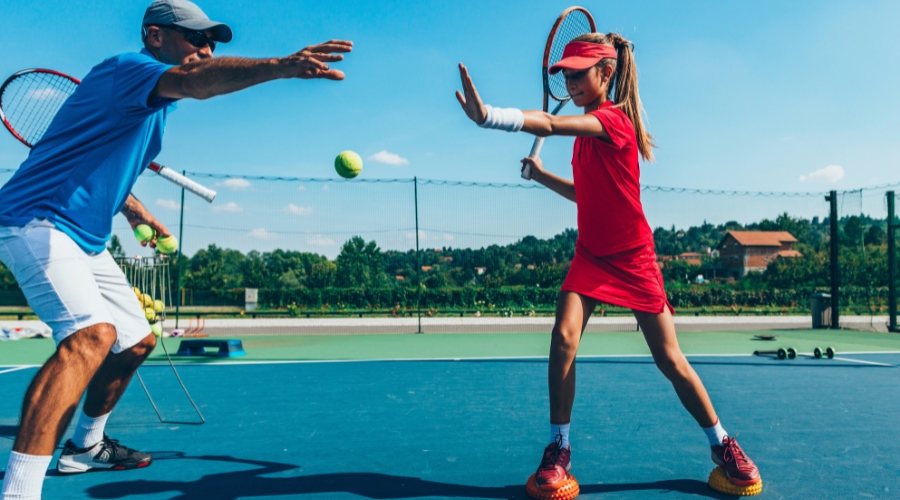
That means the 10–14 divisions should be viewed as a training ground—a place to build the foundation that will carry players into their peak competitive years.
💪 Competing Without Fear
Players in the 10–14 age groups should absolutely play competitive matches and tournaments. These experiences are essential for growth. But the focus should be on:
- Playing without fear of losing or making mistakes
- Trusting their training and giving full effort and a positive attitude
- Learning from every match—win or lose
This fearless, growth-minded approach helps players develop resilience and confidence that will serve them well in the future.
👨👩👧 The Parents’ Role: Support No Matter the Score
Parents are the most powerful influence on how young athletes experience competition. The message should always be supportive:
- “I love watching you play.”
- “I’m proud of your effort.”
- “What did you learn today?”
Supportive parents:
- Clap for effort, not just results 👏
- Stay calm and positive on the sidelines 😊
- Encourage reflection instead of criticism 🗣️
- Celebrate growth, not just wins (e.g., your second serve was much better today) 🌱
When parents show unconditional support, kids feel safe to compete, experiment, and grow.
📈 The Four Core Areas of Development
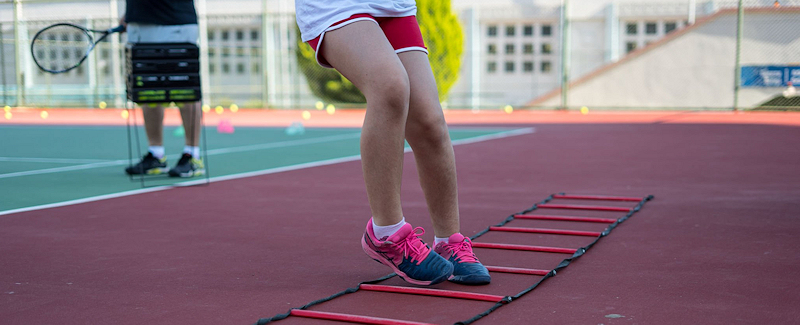
Competitive players who want long-term success must grow in four key areas:
- Technical ⚙️ – solid stroke fundamentals, efficient movement, reliable mechanics
- Physical 🏃 – strength, conditioning, agility, injury prevention
- Strategic 🎯 – shot selection, point construction, adapting to opponents
- Mental 🧠 – resilience, focus, emotional control, confidence under pressure
🏗️ Practice Builds Players, Competition Builds Games
- Practice is where strokes, conditioning, strategies, and mental toughness are built.
- Competition is where those skills are tested, refined, and turned into match-winning habits.
- For the 10–14 age groups, competition should be embraced as a learning lab—with parents reinforcing that effort and attitude are a priority, and the outcome doesn’t define the child’s value or potential.
🏆 The Payoff in the 16s and 18s
By the time players reach the older divisions, those who invested in their developmental foundation—and had parents who supported them unconditionally—will:
- Compete with fearless confidence
- Handle pressure with resilience and maturity
- Have the physical and technical base to succeed
- Be ready to showcase their game to coaches and recruiters
✅ Takeaway for Parents and Players
- 10–14s = development training ground → build solid fundamentals, play matches and tournaments, with focus on fearless learning.
- Parents = steady support system → encouragement should never depend on the scoreboard.
- 16s and 18s = performance stage → rankings and results carry more weight, but only if the foundation is strong.
When development is prioritized early—and parents provide unwavering support, winning takes care of itself later.