

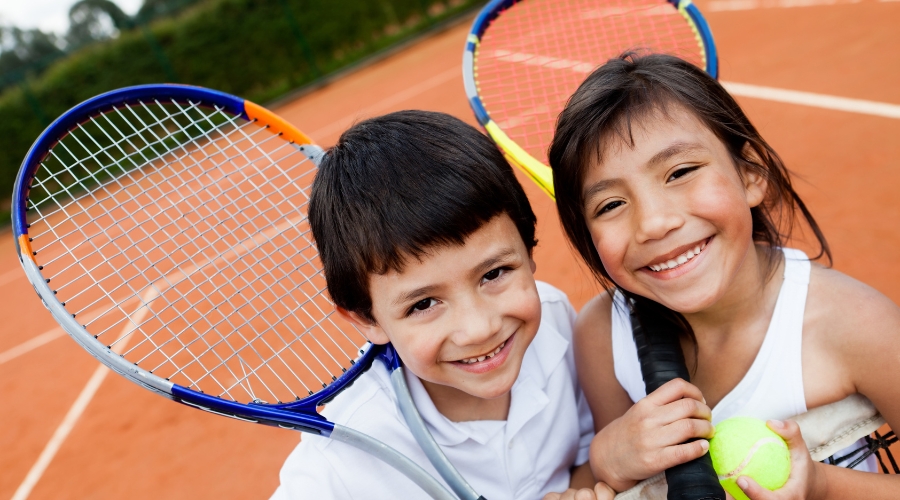
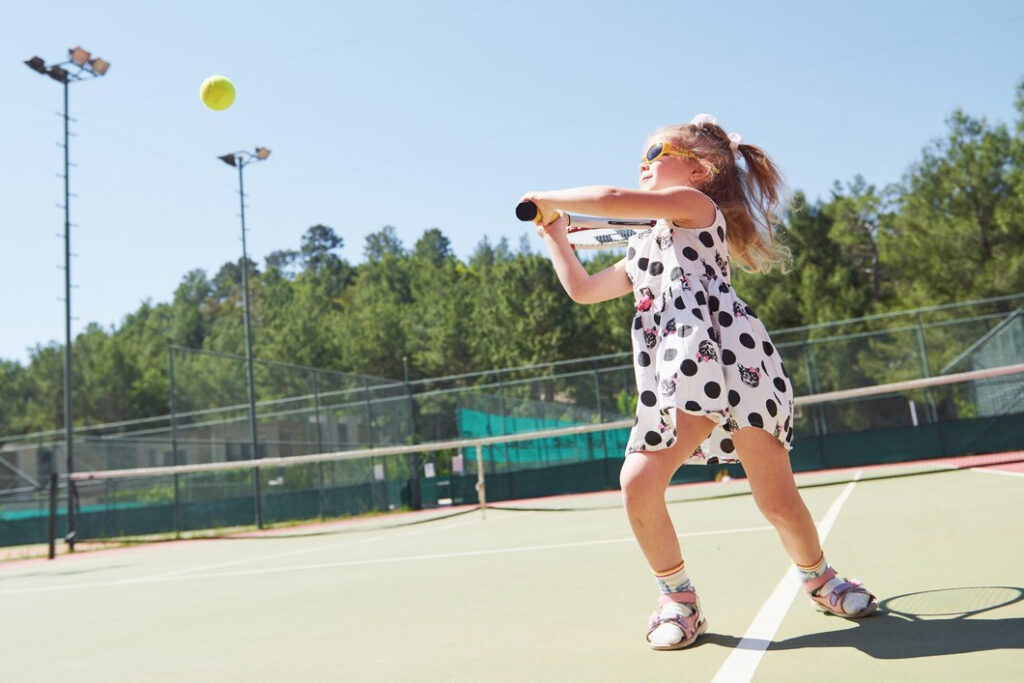
In tennis, passion knows no age, skill level, or experience. Every player starts the journey with a small racket in hand and a big dream in their heart. Some dream of becoming the next great champion, while others hope to enjoy the sport with family and friends. Regardless of the goal, tennis is more than just a game—it is a tool for personal growth, discipline, perseverance, and lifelong learning.
At FOFTA, our mission is to teach young players how to swing a racket and to instill values that will shape their character both on and off the court. Through faith in the learning process, hope in their ability to grow, and a commitment to hard work, young players can develop a passion for tennis that lasts a lifetime.
The First Step: Making Tennis Fun and Engaging
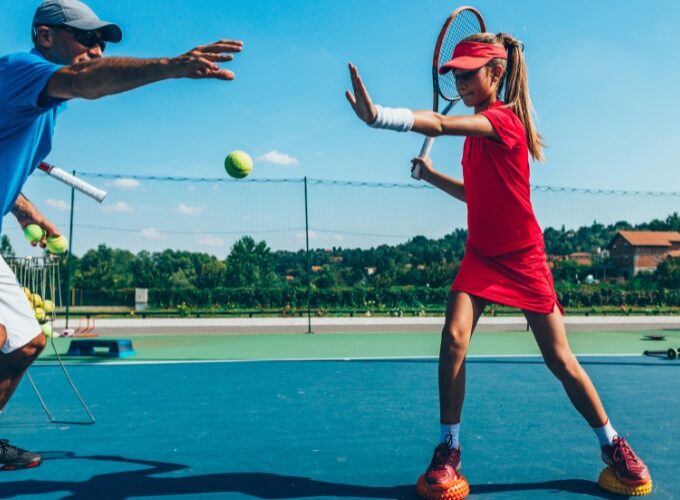
For young children, fun is the foundation of learning. If they associate tennis with joy, they are more likely to stay engaged and develop a love for the game. As coaches and parents, we should be creative in our approach—turning learning into play. Activities like balloon tennis, hitting targets, or using different sports equipment to build coordination help keep kids excited while improving their basic skills.
At this stage, our goal is not perfection but progress. The focus should be on building hand-eye coordination, learning how to hold a racket, and simply enjoying movement. By fostering a playful environment, children will naturally develop confidence, curiosity, and a positive attitude toward learning—qualities that serve them far beyond tennis.
Fostering Growth Through Age-Appropriate Challenges
As children grow, so does their capacity to learn and apply more complex techniques. A structured yet flexible approach to teaching helps ensure steady progress. For younger kids, the focus might be on coordination drills and simple stroke techniques, while older children can refine their footwork, develop better control, and learn more advanced strategies.
In line with FOFTA’s principle of goal setting, players should have small, measurable goals that they can work toward. For example:
- A young beginner might focus on consistently making contact with the ball.
- An intermediate player might work on rallying with a coach or partner.
- A more advanced junior might set a goal to hit 10 successful serves in a row.
These performance-based goals help young athletes build resilience and perseverance—critical skills in both tennis and life.
A Supportive Environment: The Key to Long-Term Growth
Children thrive when they feel supported, encouraged, and valued. A nurturing environment helps them develop confidence, take risks, and embrace challenges. At FOFTA, we believe that mistakes are not failures but stepping stones to improvement. When children understand that setbacks are a normal part of learning, they become more resilient and better equipped to handle obstacles in tennis and beyond.
We should celebrate small victories—hitting the ball over the net for the first time, executing a serve correctly, or staying focused in a match. These moments build confidence and create a sense of hope and belief in their abilities.
Additionally, tennis should foster camaraderie, not just competition. Group lessons, friendly matches, and team-oriented activities help children form friendships, develop teamwork skills, and learn the value of sportsmanship. These social experiences strengthen their connection to the sport and make it more enjoyable in the long run.
The Right Equipment for a Strong Foundation
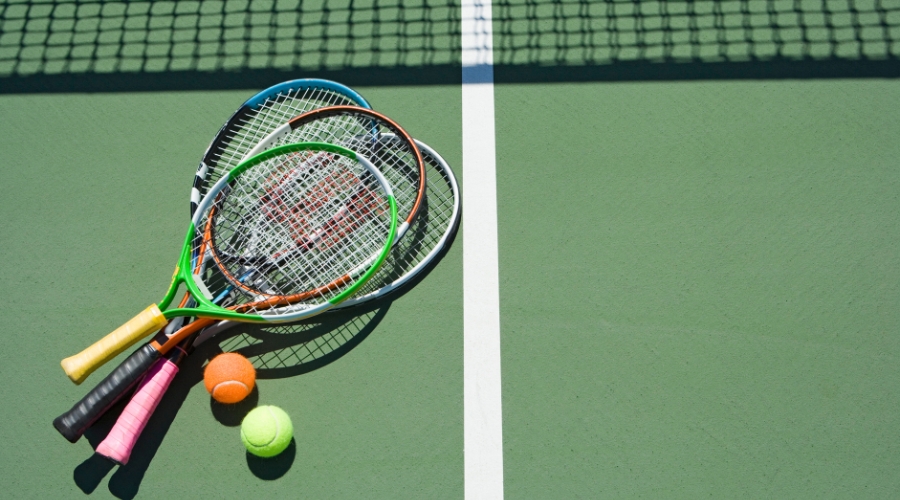
Having the correct equipment is essential to a child’s tennis development. A too heavy or too large racket can lead to improper technique, frustration, or even injury. Similarly, lower-compression balls that bounce lower and move slower help beginners develop control and confidence.
By gradually transitioning to full-size rackets and standard balls, young players progress naturally, reducing frustration and increasing their ability to enjoy the learning process. Equipment should support development, not hinder it.
Structured Learning with Flexibility
While having a structured plan is essential, flexibility is equally crucial when coaching young children. Some days, kids will be energized and ready for fast-paced drills; other days, they may benefit more from slower, strategy-based learning. Coaches and parents should be attentive to their needs, adjusting sessions accordingly to keep them motivated and engaged.
This adaptability reflects FOFTA’s emphasis on sports science training—understanding the physical and psychological development of young athletes and creating training sessions that align with their growth.
Parents as Partners in Tennis Development
Parents play an invaluable role in shaping their child’s experience with tennis. Encouragement, patience, and a positive perspective on progress contribute to a child’s success. Practicing together at home, celebrating small improvements, and focusing on effort rather than results can help reinforce the joy of the game.
At the same time, it’s important to maintain a balanced approach. Too much pressure on winning or rankings can lead to stress and burnout. Instead, parents should support their child’s love for learning, perseverance, and strong work ethic—qualities that will serve them well in every area of life.
Using Technology to Enhance Learning
When used appropriately, technology can be a valuable tool in a young player’s development. Apps, video reviews, and professional match footage can supplement on-court training. Watching themselves play can provide visual feedback, helping children understand what they need to improve and celebrate their progress.
Additionally, using slow-motion video to analyze professional players can inspire young athletes and give them a deeper understanding of technique and strategy. This aligns with FOFTA’s belief in continuous learning and goal setting—using every available tool to help young players develop their skills.
Instilling Core Values Through Tennis
At FOFTA, we believe tennis is a powerful tool for personal growth. The sport teaches values that extend far beyond the court, shaping young players into disciplined, resilient, and high-character individuals.
- Perseverance – Learning to keep going even when progress feels slow.
- Resilience – Bouncing back from mistakes and using setbacks as motivation.
- Discipline – Developing a strong work ethic and commitment to improvement.
- Sportsmanship – Treating opponents respectfully and learning to win and lose gracefully.
- Goal Setting – Focusing on performance-based goals that build confidence and long-term success.
These values are the true reward of learning tennis—not trophies, rankings, or external validation. By focusing on character development, we ensure that young players benefit from their experience in tennis for years to come.
Conclusion: Inspiring a Lifelong Love for Tennis
Teaching tennis to young children is not just about technique—it’s about building a strong foundation for success in sport and life. As coaches, parents, and mentors, our goal is to instill a love for learning, a belief in self-improvement, and the confidence to face challenges head-on.
With faith in the process, hope for the future, and a commitment to perseverance, discipline, and a strong work ethic, young players can carry the lessons of tennis into every area of their lives. By focusing on progress over perfection and personal growth over rankings, we create an environment where every child can thrive—not just as a tennis player but as a confident, resilient, and well-rounded individual.
Let’s help them hold onto their small rackets and big dreams, knowing that the values they learn on the court will guide them far beyond it.