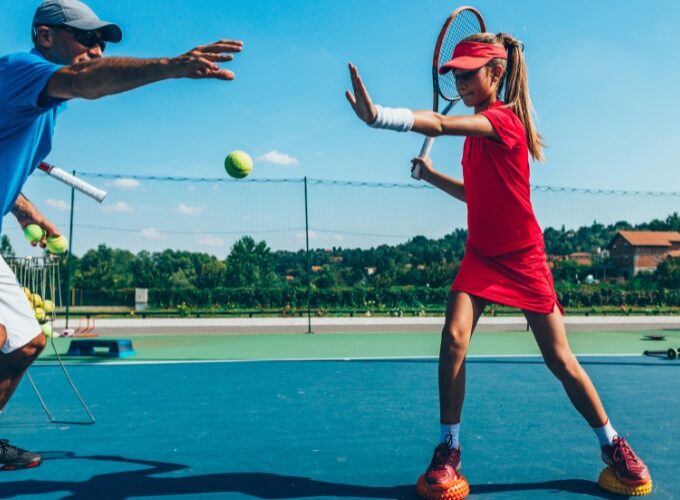


In the world of junior tennis, the pressure to win matches, achieve high rankings, and meet external expectations can often overshadow the deeper purpose of the sport. When success is defined solely by trophies, scholarships, or rankings, young players may be burdened with stress and self-doubt rather than joy and growth. However, by shifting our perspective to one of faith in the process and hope for growth, we can redefine what success truly means in tennis and life.
Tennis, like life, is a journey filled with challenges, victories, and setbacks. Every match presents opportunities for resilience, learning, and self-improvement—qualities that extend far beyond the court. As parents and coaches, our role is not just to push children toward external achievements but to guide them toward inner strength, confidence, and a love for the sport that will sustain them long after their junior playing days are over.
The Drawbacks of Outcome-Based Incentives
Many well-intentioned parents offer their children monetary rewards or set expectations based on match results and rankings. While this approach may seem a motivator, it can inadvertently create unnecessary pressure. Instead of viewing tennis as an opportunity to grow and develop, young players may begin to associate their self-worth with whether they win or lose.
When the focus is only on outcomes, failure can feel doubly harsh—losing a match also means missing out on a reward or feeling like they’ve disappointed others. Over time, this pressure can lead to stress, frustration, and even burnout. Instead of fostering a love for the sport, tennis becomes a source of anxiety.
The real question we must ask ourselves is: Do we want our children to play in fear of failure, or do we want them to play with confidence, joy, and belief in their ability to improve?

Shifting the Focus to Growth and Effort
A more fulfilling and constructive approach focuses on factors within the player’s control—effort, attitude, and the willingness to learn. Faith in the process means trusting that consistent effort, patience, and perseverance will lead to progress. Maintaining hope for growth allows young players to embrace challenges rather than fear them, knowing that setbacks are stepping stones to improvement.
By shifting the focus in this way, players learn to:
- Develop resilience – Tennis teaches young athletes how to bounce back from adversity, whether losing a match or struggling with a technique. When they trust in their ability to improve, they develop a mindset that serves them well both on and off the court.
- Build character – Qualities like perseverance, sportsmanship, and discipline become natural byproducts of a strong mental approach. These traits will serve them in tennis, school, relationships, and future careers.
- Enjoy the process – When players focus on personal improvement rather than just winning, tennis becomes an enjoyable and rewarding experience. A love for the game develops when the pressure is lifted, and players can take pride in their progress.
Setting Performance-Based Goals
Parents and coaches play a crucial role in reinforcing these values. Instead of setting goals based on rankings or match results, performance-based goals should be the focus. These might include:
- Improving first-serve consistency
- Refining footwork and agility
- Maintaining composure and a positive mindset during difficult moments
- Learning to anticipate opponents’ shots more effectively
When goals are based on progress rather than results, players gain confidence in their abilities and become more engaged in their development. They understand that success isn’t defined by a single match but by their long-term improvement over time.
Encouraging the Right Incentives
If parents choose to use incentives, they should be tied to effort, attitude, and commitment rather than match results. Instead of rewarding a win, acknowledge how a child handled a tough loss with dignity. Celebrate that they fought for every point, remained focused, or successfully applied a new technique on which they’ve been working.
By reinforcing effort-based values, we help young athletes develop a healthier mindset that isn’t dependent on external validation but instead thrives on self-improvement and personal growth. Ironically, when players focus on effort and attitude rather than just winning, victories tend to follow naturally because they have developed the skills and mindset necessary to compete at their best.
Conclusion: Tennis as a Tool for Lifelong Growth
At its core, tennis should be a growth, learning, and self-discovery journey. It is a sport that teaches invaluable life skills—patience, discipline, problem-solving, and resilience—all of which will serve young athletes far beyond their time on the court.
As parents and coaches, we have the opportunity to foster a culture of hope, belief, and perseverance, where children play not out of fear of disappointing others, but out of a genuine desire to improve and enjoy the game. By shifting the focus from external rewards to internal fulfillment, we empower young athletes to approach tennis—and life—with confidence, passion, and an unshakable belief in their ability to grow.